From Smarter Sensors to Single-Cell Communication: SUNY Poly Students Showcase Research on the Global Stage
Published:
Tuesday, October 20, 2026 - 14:44
SUNY Poly students present research in artificial intelligence, intelligent wireless networks, and nanoscale biomedical technologies
at international conferences
UTICA, NY — From developing artificial intelligence (AI) that works without internet access to exploring wireless communication at the scale of individual biological cells, SUNY Polytechnic Institute (SUNY Poly) students are helping advance technologies with the potential to transform healthcare, communications, and connected systems.
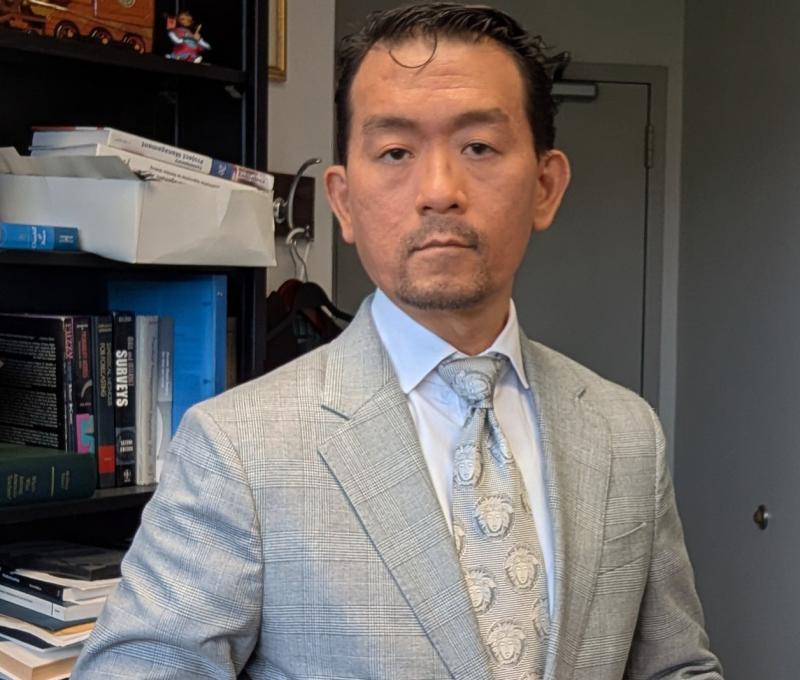
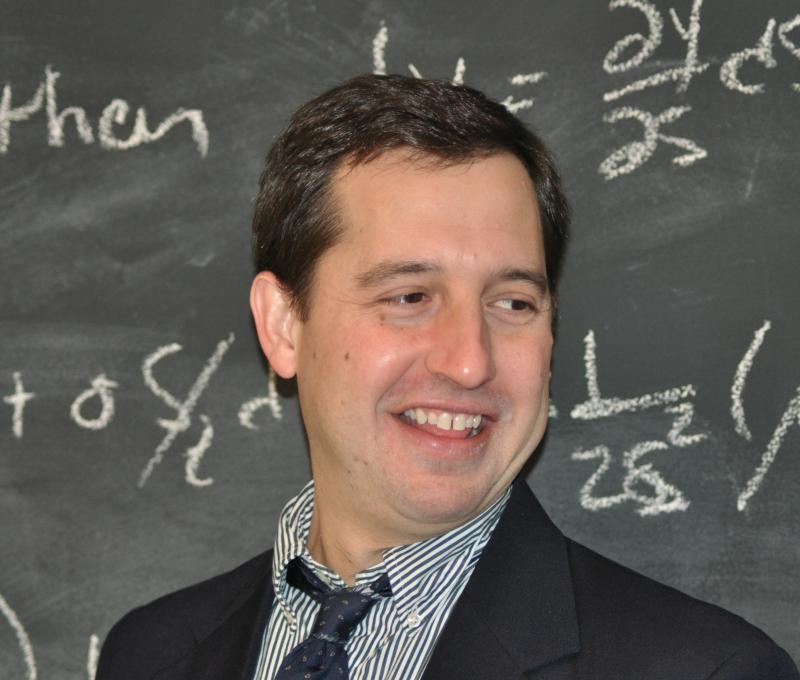
Three SUNY Poly students recently presented research at international IEEE and ACM conferences. Working with Dr. Amit Sangwan, Assistant Professor of Electrical and Computer Engineering, the students explored how AI, physics-based modeling, and emerging communication technologies can address real-world challenges.
Bringing AI to Remote Environments
Computer Science graduate student Shreya Marri presented research at the 2026 IEEE International Conference on Smart Applications, Communications and Networking (SmartNets) in Rome, Italy. Her work focused on developing intelligent sensor systems that can detect faults and explain problems in plain language, without relying on internet connectivity.
Using physics-based synthetic data and lightweight machine learning, the research demonstrated over 99% fault-detection accuracy in experimental evaluations. The technology could eventually help farmers, remote monitoring stations, and off-grid communities identify sensor problems without specialized technical support.
Making Wireless Networks Smarter
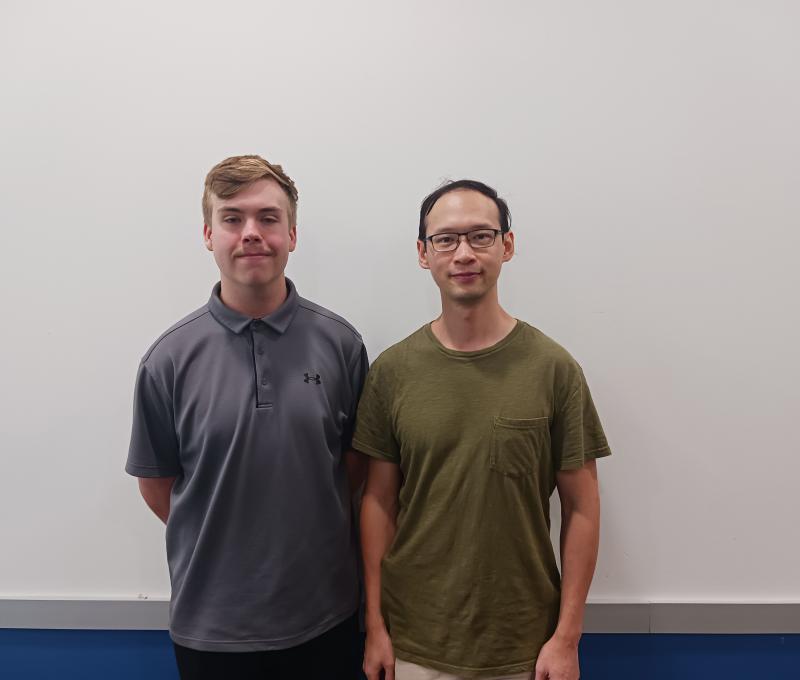
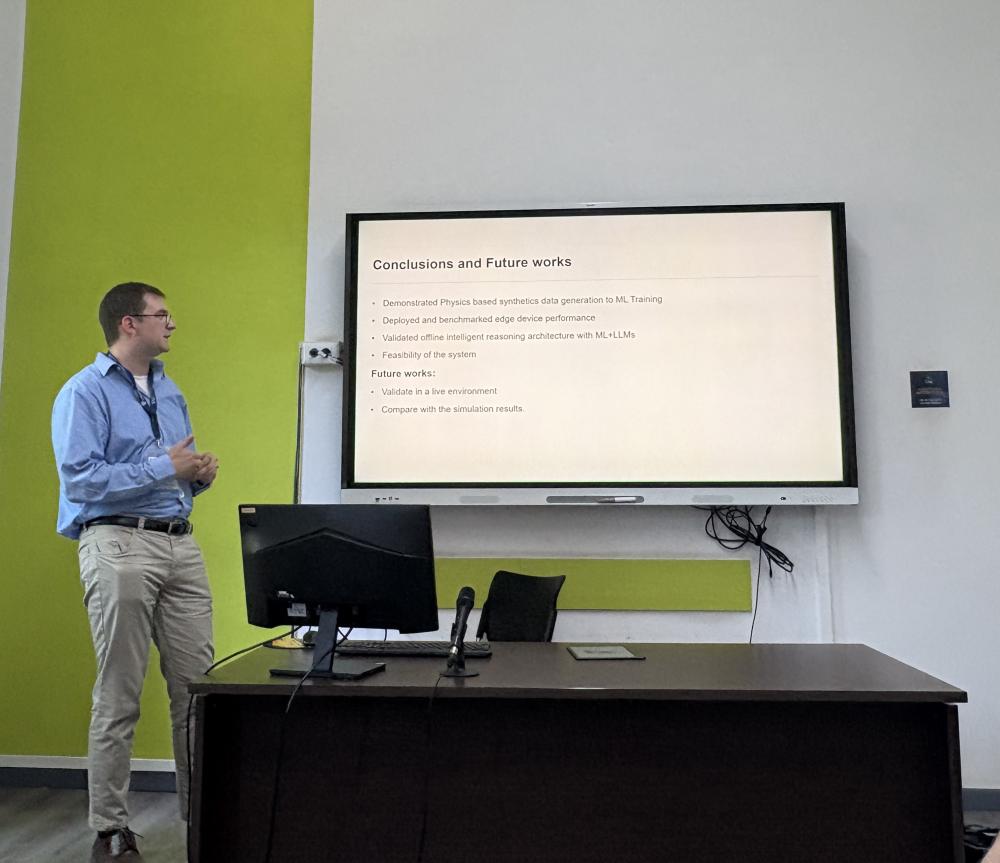
Electrical and Computer Engineering undergraduate student Andrew Reed (pictured above) also presented at IEEE SmartNets. His research explored how AI can help wireless devices recognize interference, identify available communication channels, and make smarter decisions about spectrum use.
By combining physics-based simulations, machine learning, and locally running language models, the team demonstrated intelligent spectrum sensing on compact computing devices without cloud connectivity. The work could contribute to more reliable and adaptive wireless networks, particularly in remote and resource-constrained environments.
Exploring Communication at the Cellular Level
At ACM NanoCom 2026, Electrical and Computer Engineering junior Hunter Hanrahan presented research on nano-optical antennas designed for sensing and communication at the scale of individual cells. The work was co-authored by Sangwan, Hanrahan, and fellow undergraduate researcher David Serino.
Using advanced electromagnetic simulations, the team investigated how tiny gold antennas interact with red blood cells and explored their potential for optical sensing and digital communication. While still in the early stage, the research could help lay the foundation for future label-free biomedical diagnostics, microscopic sensor networks, and technologies that interface with biological systems.
Advancing Research Through Student Innovation
“What excites me most is seeing our students tackle challenging problems with real-world significance,” said Sangwan. “Whether it is bringing AI to places without reliable internet access, making wireless networks more intelligent, or exploring communication with individual biological cells, these projects show how student research can contribute to the technologies of tomorrow.”
SUNY Poly has fostered a collaborative research ecosystem through its interdisciplinary research centers and the support of its Research Office, creating opportunities for undergraduate and graduate students to work alongside faculty on meaningful research challenges. This environment helps students gain hands-on experience, contribute to scientific discoveries, and present their work on an international stage.
Student travel to IEEE SmartNets was supported by SUNY Poly's College of Engineering and the CESSAIR Center.