College of Business Faculty Explore Role of Ethics Education in Accounting Fraud Prevention
Published:
Friday, August 28, 2026 - 13:39
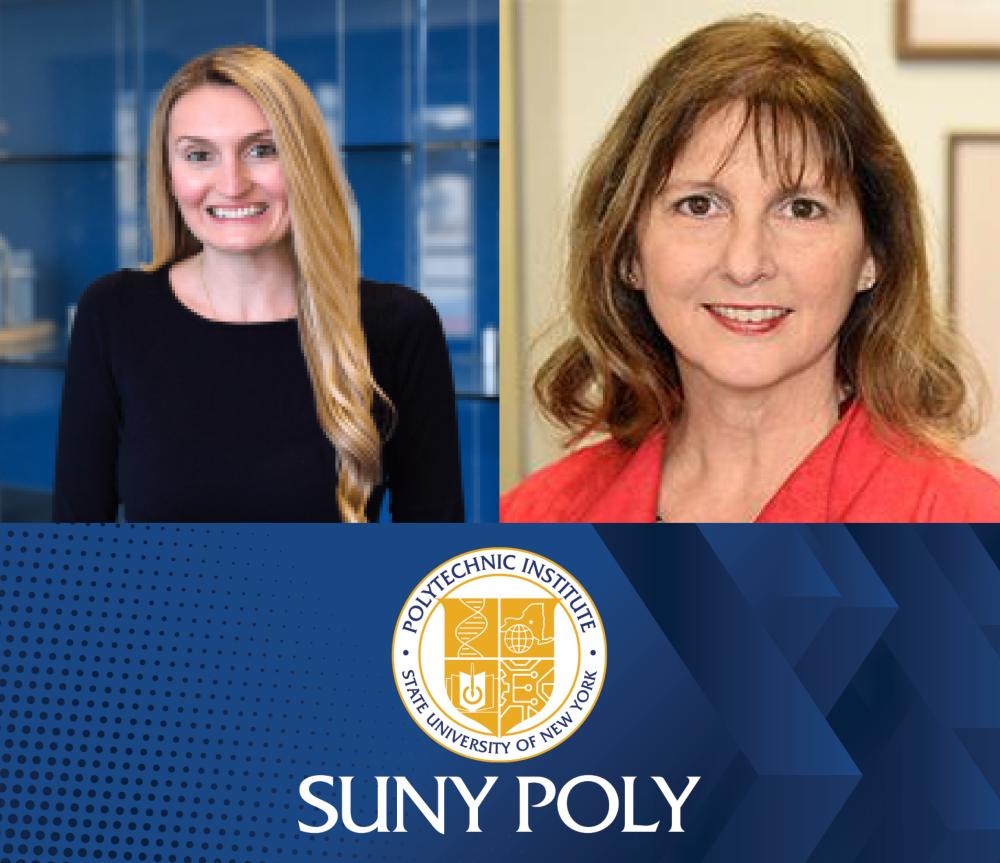
Two SUNY Polytechnic Institute (SUNY Poly) College of Business faculty members are exploring how integrating ethics and values throughout accounting and business education can better prepare students to recognize and prevent fraud in the workplace.
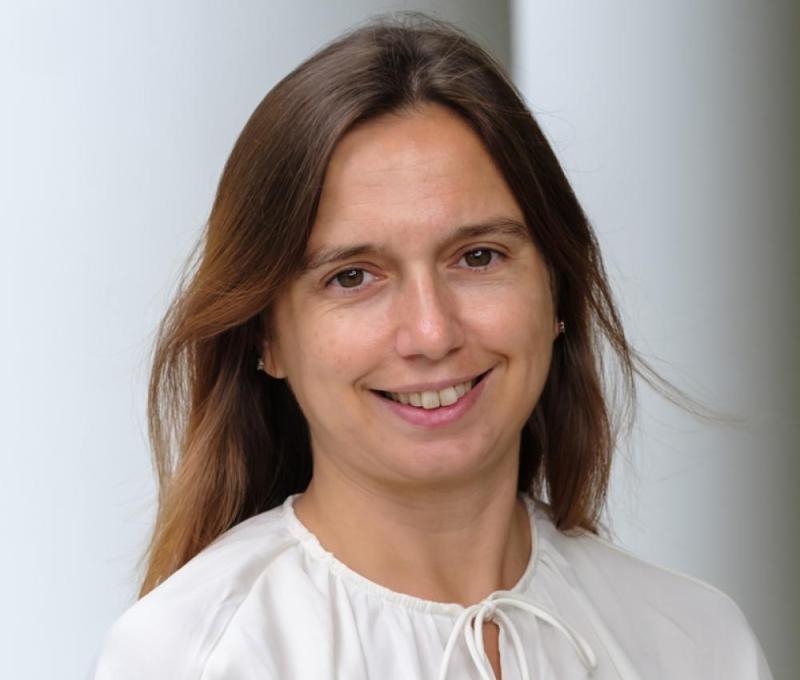
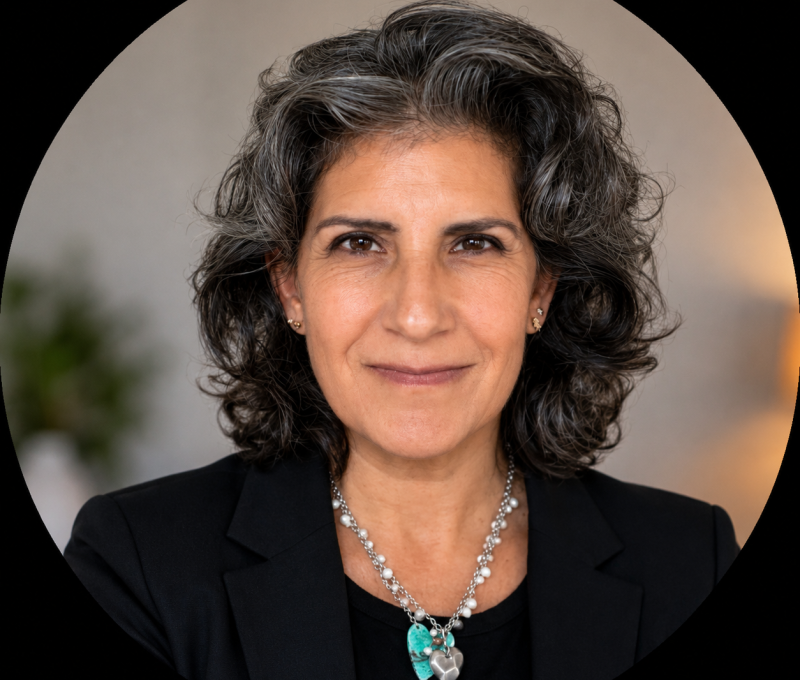
Dr. Katie Matt, Assistant Professor of Accounting, and Dr. Lisa Berardino, Associate Professor of Management, co-authored “An Integrated Approach to Developing Students’ Ethical Values for Accounting Fraud Prevention: Aligning Course Learning Objectives with the Elements of Fraud,” published in the Business Education Innovation Journal.
The research addresses fraud as a growing concern for organizations and examines the important role that individual ethics, values, and integrity can play in preventing fraudulent behavior. Using the Fraud Triangle, which focuses on pressure, opportunity, and rationalization, as a framework, Matt and Berardino propose incorporating ethical decision making and values-based learning throughout accounting and business curricula.
Rather than limiting ethics education to standalone courses, the authors recommend embedding ethics-based learning objectives across a student's program of study. Through curriculum mapping and an interdisciplinary approach, courses in accounting, strategic management, organizational behavior, human resource management, and the humanities can help students examine personal values, organizational culture, workplace pressures, and other factors that can contribute to fraud.
The proposed learning objectives include helping students evaluate real-world fraud cases, recognize common fraud risk indicators, understand how workplace culture can influence decision making, and identify how emerging technologies such as artificial intelligence may create new fraud risks.
Ultimately, the business researchers argue that developing students' ethical values and professional integrity throughout their education can better prepare future accounting and business professionals to navigate difficult workplace situations, recognize fraud risks, and make ethical decisions throughout their careers.