
The following is a list of programs and guidance that the EHS office provides assistance with that don’t fit neatly into the other Programmatic groups.
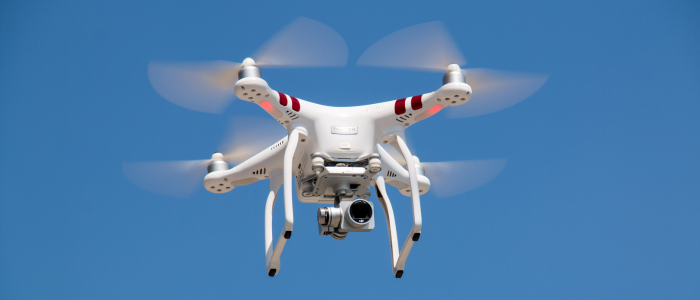
This program establishes an approval process and procedures to ensure safe and responsible operation of small unmanned aircraft systems (sUAS), often called “drones” at, in or on SUNY Poly property. Adherence to this program ensures compliance with applicable laws, enhances safety, and preserves the security and privacy of the members of the University community.
sUAS may offer significant contributions to the teaching and research endeavors of faculty, researchers and students, and may also offer opportunities for administrative offices in carrying out their functions. The use of sUAS, however, is regulated by law and can pose significant safety, security, and privacy risks to the SUNY Poly community.
To mitigate these risks, this program aligns with applicable laws, rules and regulations, including but not limited to Sections 333 and 336 of the FAA Modernization and Reform Act of 2012, the FAA Summary of Small Unmanned Aircraft Rule (Part 107), and SUNY Poly’s sUAS Safety and Operational Standards, and requires that any person seeking to operate sUAS at, in or on SUNY Poly property for any purpose must comply with the procedures in this document.
Molds and fungi are naturally occurring biological entities found throughout all indoor and outdoor environments. Since people are exposed to mold spores through inhalation and skin contact each and every day (both at work and at home), most routine exposures do not result in adverse health effects. However, excessive growth and propagation of unwanted mold can be unsightly, and represent a potential health threat in certain situations.
Currently there are no established regulations or enforceable legal standards that specify safe levels of airborne mold exposure in humans. This is largely because there are over 100,000 known mold/fungal species, and it is estimated that up to 10 million species may actually exist in nature. Different mold species may be more or less toxic than others, and individual health effects will vary.
The presence of mold in the work or living environments on campus need to be evaluated along with the potential source of moisture that contributes to the problem. Guidelines have been established that provide our Facilities Department with a way to manage Mold Incidents.
Construction / Installation of Tents, Temporary Special Event Structures and Other Membrane Structures at SUNY Polytechnic Institute is regulated by the NYS Fire and Building Codes. Therefore, installation of these structures should be reviewed and approved in advance with the Codes Compliance Manager with input from the Codes Coordinator and other departments. Approvals/Permits are required for larger installations which must comply with applicable regulations.
Guidelines are provided to help event planners address fire code requirements as they pertain to tents and similar temporary structures on campus.
