SUNY Poly’s Sustainable Aerospace Energy Center Advances Aviation Sustainability and Space Innovation
Published:
Monday, May 18, 2026 - 15:44
SUNY Polytechnic Institute’s Sustainable Aerospace Energy Center (SAEC) is gaining growing national and international recognition through a series of new publications, conference presentations, and collaborative research initiatives focused on the future of sustainable aviation and aerospace systems.
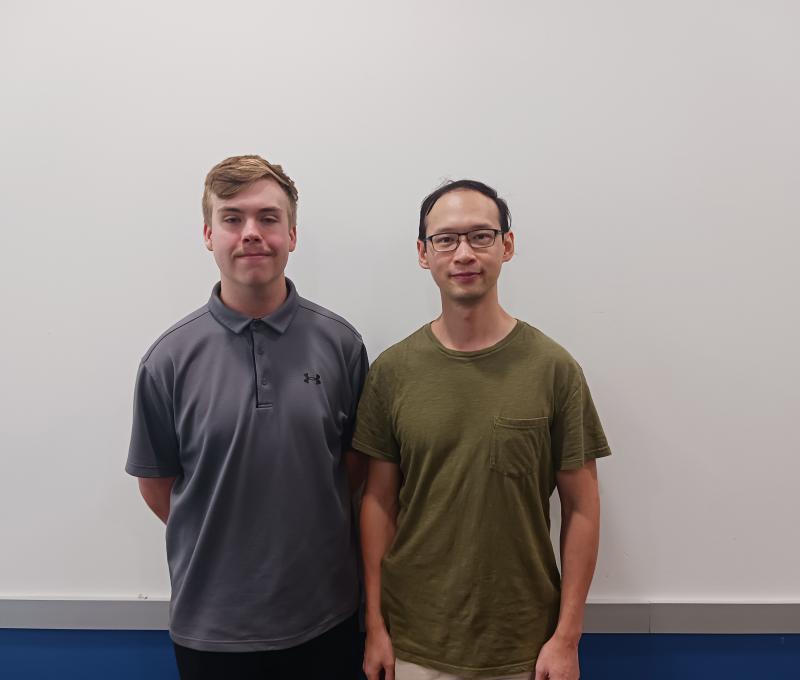
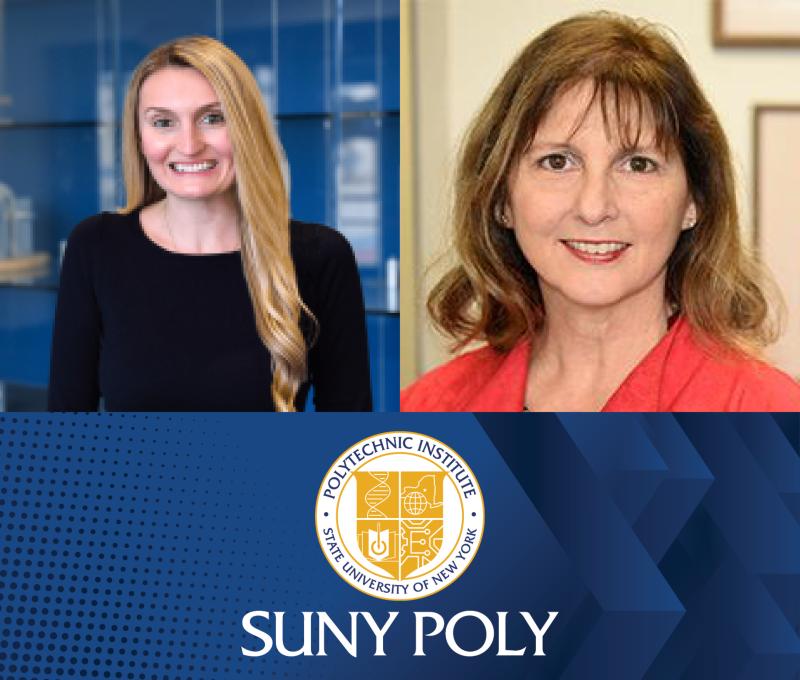
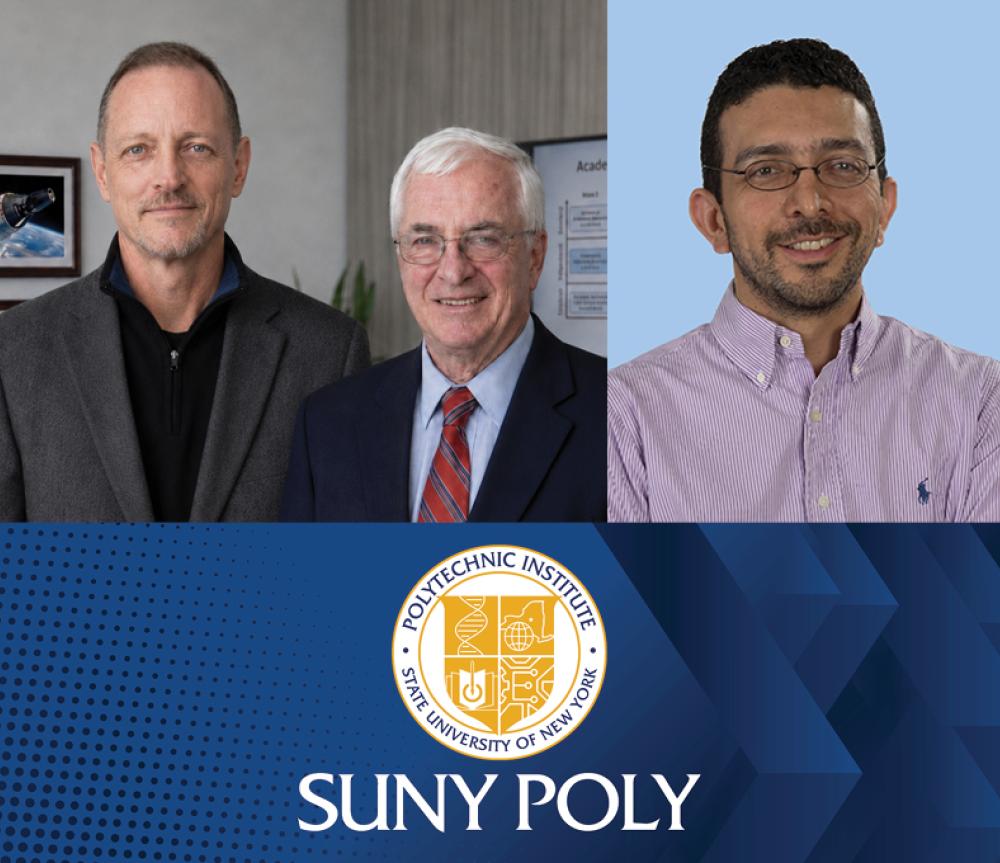
Led by Principal Investigator Dr. Robert A. Edgell, Professor of Technology Management in SUNY Poly’s College of Business, the center is an interdisciplinary effort that brings together faculty expertise from both the College of Business and the College of Engineering. SAEC’s leadership team also includes Co-Principal Investigator Dr. Felipe Henao, Associate Professor of Management Science in the College of Business, and Co-Principal Investigator Dr. William Durgin, Professor of Engineering in the College of Engineering.
Together, the three researchers combine expertise in aerospace systems, sustainability, engineering, operations research, energy systems, and innovation management to study major challenges facing the aviation and aerospace industries, including decarbonization, sustainable fuels, public-private innovation partnerships, and commercial space development.
New Research Advances Sustainable Aviation Studies
One of the center’s newest achievements is the acceptance of a major review article for publication in the Journal of Air Transportation: “Multi-Criteria Decision Support for Sustainable Aviation: A Two-Decade Review,” coauthored by Drs. Henao, Edgell, Carlos Díaz González, and Durgin.
The paper reviews 20 years of research examining how decision-making tools are being used to address sustainability challenges across aviation, including sustainable fuels, aircraft systems, airline operations, airports, and aviation policy. Moreover, the study argues that the future of sustainable aviation will require more than technological innovation alone. The authors conclude that long-term progress will depend on integrating engineering, economics, governance, and stakeholder coordination across the aviation system.
The article also highlights the rapid growth of sustainability-focused aviation research globally, noting that 61% of the studies reviewed were published between 2020 and 2025. This new review extends SAEC’s earlier Journal of Air Transportation article, “Aviation’s Sustainable Future: Navigating the Sociotechnical Matters of Concern,” by moving from identifying the sociotechnical debates shaping aviation’s low-carbon transition to examining the decision-support methods researchers use to evaluate competing sustainability pathways.
Aerospace Policy and Space Commercialization Research
SAEC researchers are also contributing to broader discussions surrounding aerospace innovation and commercial space systems.
Dr. Edgell recently published an invited opinion essay in Aerospace America, the flagship publication of the American Institute of Aeronautics and Astronautics (AIAA), titled “Why the Moon May Matter Before It Pays.”
The article explores how future lunar development will depend not only on engineering advances, but also on governance systems, financing models, and long-term international coordination.
In addition, Dr. Edgell recently participated as a panelist at the NYCST 2026 Symposium hosted through Cornell University and the New York Consortium for Space Technology Innovation & Development. The event brought together leaders from research, industry, and government to discuss New York’s growing role in space technology and innovation.
Another SAEC paper, “Aligning Public-Private Models with Innovation Pathways: Evidence from Commercial Space Systems,” has also been accepted for presentation at the 77th International Astronautical Congress in Turkey later this year.
Additional research from SAEC further explores the governance and coordination challenges shaping the future of commercial space systems. Professor Edgell and SUNY Poly alumnus Jeffrey R. Olney coauthored the article, “Resolution without Closure,” which examines how the early Comsat–Intelsat Network helped establish one of the first major commercial systems in outer space: global satellite communications. Using this landmark case, the study demonstrates that space commercialization is not only a technological challenge, but also one of governance and coordination, requiring public agencies, private firms, and international partners to navigate uncertainty, disagreement, and competing priorities. The authors argue that durable progress in complex space initiatives can occur without full consensus when cross-sector actors create workable structures for cooperation, experimentation, and long-term coordination. The research offers timely insight for today’s efforts to commercialize cislunar and interplanetary space and will be presented at the World Creativity Conference (WCC) in Seoul, South Korea, this June.
Building an Interdisciplinary Aerospace Research Hub
The center’s recent accomplishments reflect SAEC’s growing role as an interdisciplinary aerospace research hub at SUNY Poly.
Dr. Henao’s work in renewable energy systems and management science complements Dr. Durgin’s decades of expertise in aerodynamics, electrified aircraft propulsion, and aerospace engineering. Combined with Dr. Edgell’s research on aerospace systems and public-private innovation models, the center is bringing together business and engineering perspectives to address the future of sustainable aerospace development.
As aviation and aerospace industries continue to evolve, SUNY Poly’s Sustainable Aerospace Energy Center is helping position the university at the forefront of research focused on sustainability, innovation, and the future of aerospace systems.